Food Trends We're Tired of in 2025
Food trends come and go, some with good reason—high-waisted jeans flatter, viral dance moves entertain—but others just cling on, refusing to fade into obscurity. In 2025, social media still drives the obsession with posting every meal online, fueling trends that prioritize looks over taste or shock value over substance. Yet, it's not the outrageous ones that grind people's gears the most; it's the exhausted, overdone fads that feel like relics from a bygone era. From avocado toast to cauliflower everything, these trends have overstayed their welcome, leaving diners yearning for something fresh and authentic. The persistence of these ideas shows how stubbornly they cling to relevancy, even as tastes evolve, and it's high time for a culinary shake-up. People are fed up, and rightfully so; after all, who wants to see the same tired gimmicks year after year? It's a testament to how the food world sometimes resists change, clinging to what once felt innovative but now feels stale and uninspired. As we navigate this landscape, it begs the question: what's next for dining, and can we finally move past these annoyances?
The Overused Ingredients That Need to Vanish
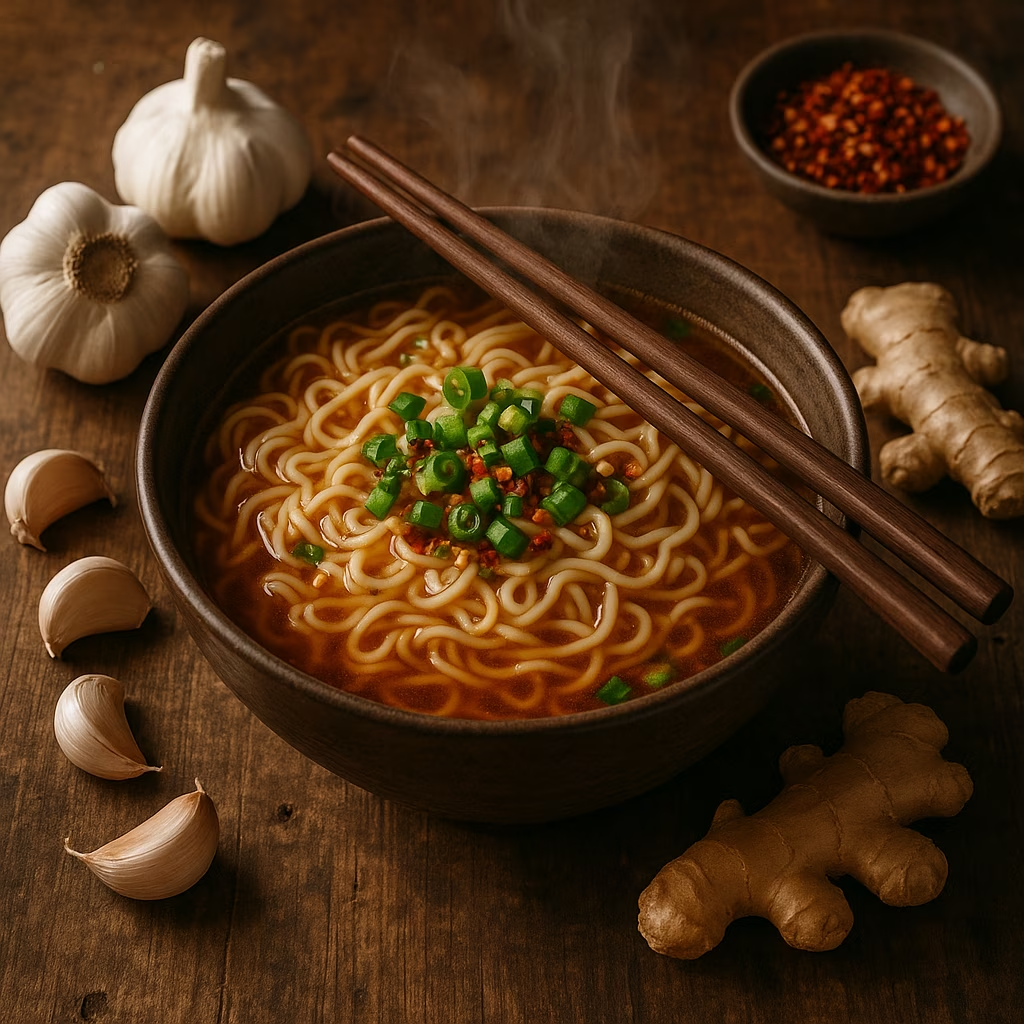
First up, black truffle oil—still a common sight in 2025, often slathered on dishes like mac and cheese to mask mediocre cooking. Seriously, why not just use better cheese? It's lazy and unnecessary, especially since alternatives like premium rosé wines can elevate a meal without the artificial funk. Then there's tonkotsu ramen; even when done well, it's often bland or poorly executed, making it a snooze-fest on menus. And don't get people started on American "izakaya" spots—they're not authentic izakayas, just watered-down versions that miss the point entirely. It's frustrating to see such misrepresentations persist, especially with the rich diversity of global cuisines available today. How did we end up with so many copycats? It's as if innovation took a backseat to imitation, and diners deserve better.
 :max_bytes(150000):strip_icc():format(webp)/__opt__aboutcom__coeus__resources__content_migration__serious_eats__seriouseats.com__images__2016__05__20160502-avocado-toast-vicky-wasik-mango-11-f8f9dfd1cffe42968df3bd3db93adce9.jpg)
Avocados, oh avocados—on toast, in salads, or stuffed with cottage cheese—they've become the poster child for ubiquity in 2025. Everyone raves about their healthy fats, but honestly, do they even taste good? Many find them oddly metallic, like something's off in their mouth or everyone else's taste buds are broken. It's not just the flavor; it's the sheer overexposure that makes people cringe. Every time someone gushes over avocado, it feels like a small defeat for culinary diversity. Why not celebrate less hyped veggies that deserve the spotlight? This trend has worn out its welcome, and it's time to retire it for good. 😩 The same goes for the constant misuse of "protein" to mean "meat and substitutes"—just call it meat, people! Shrimp, fish, seitan, tofu—they're all meat in the dining context, so stop the jargon and keep it simple. It's confusing and unnecessary in an era where clarity matters more than ever.
Restaurant Features That Drive Us Crazy
Cashless restaurants? Still a thing in 2025, and it's downright discriminatory. Sure, they streamline operations, but they alienate cash-dependent folks who are already vulnerable. Cities have banned this practice in some places, thankfully, yet it persists in fast-casual joints, signaling unwelcome vibes. It's not hard to accept cash for a few transactions—it's just lazy business. Then there's the tipping system, amplified by Square apps that pressure you to tip for everything, even a drip coffee pour. This hyperinflation of tipping breeds resentment and highlights the need for fair wages instead of this charade. Pay service workers a living wage already; it's 2025, and this outdated model should be history. 🧾 And café-height tables? Ugh, they're everywhere now, forcing people into uncomfortable perches on stools. Pregnant individuals or anyone with mobility issues dread them, as they turn meals into awkward balancing acts. Why sacrifice comfort for aesthetics? It's a permanent nuisance that needs rethinking, stat.
:max_bytes(150000):strip_icc():format(webp)/__opt__aboutcom__coeus__resources__content_migration__serious_eats__seriouseats.com__images__2017__02__20170210-knife-skills-cauliflower-05-03274fac74d7423b8e1391277ea39119.jpg)
Cauliflower mania—rice, pizza, gnocchi, you name it—has evolved into a full-blown dynasty by 2025, and it's exhausting. What started as a healthy swap now feels like an invasion, with cauliflower shoved into every dish imaginable. It must be stopped; broccoli was fine, but this is overkill. Similarly, homemade condiments like mayo and ketchup are a waste of effort—they rarely beat the classic sugar-loaded versions, and even chefs sneak store-bought stuff for staff meals. Why bother? It's pretentious and pointless. Micro-green garnishes? They look cute at first but end up wilted and sad, adding cost without flavor. And zoodles (spiralized veggies)? Soggy and limp, they're a poor substitute for real pasta—just no. These trends scream laziness in kitchens, where shortcuts overshadow quality. People want substance, not gimmicks, and in 2025, it's clearer than ever that innovation should focus on taste, not trends.
The Flavors and Fads That Overstayed Their Welcome
Hard seltzer joined the ranks of Four Loko, and that's never a good sign—it's become a symbol of forced fun in 2025. Any trend that aligns with such notorious drinks is bad news, offering little beyond fizziness and regret. Pumpkin spice everything? Still rampant, from lattes to absurdities like pumpkin spice kale chips or Spam. A little fall enthusiasm is fine, but this overkill drowns out the simple joy of cinnamon. It's time to reel it back and appreciate spices in moderation. 🎃 Uni (sea urchin) also needs to go; it's unsustainable and often underwhelming in taste, despite its high-end appeal. Why cling to it when there are better, eco-friendly options? Lastly, pre-packaged salad mixes in nice restaurants are a travesty—limp greens with rotten bits signal a lack of care. Chefs should be ashamed; it's a cry for help in an industry that should prioritize freshness and love.
:max_bytes(150000):strip_icc():format(webp)/__opt__aboutcom__coeus__resources__content_migration__serious_eats__seriouseats.com__2019__09__20190717-sea-urchin-pasta-uni-1-86f1b29a7af64bd3bc15ca7e33bae6ff.jpg)
Looking ahead, there's a glimmer of hope. People are craving a shift toward sustainable, equitable dining—less focus on Instagrammable fads, more on real nourishment and fairness. Imagine a future where restaurants ditch cashless policies for inclusivity, pay fair wages instead of relying on tips, and celebrate diverse, underrated ingredients without the hype. Maybe even a revival of forgotten veggies or global dishes done right. It's not just a pipe dream; with growing awareness in 2025, this could be the decade we finally prioritize taste and ethics over fleeting trends. After all, food should bring joy, not exhaustion, and that's a future worth savoring. 🌱 Let's make it happen.