Mastering Niku Udon: The 30-Minute Japanese Comfort Food Revelation
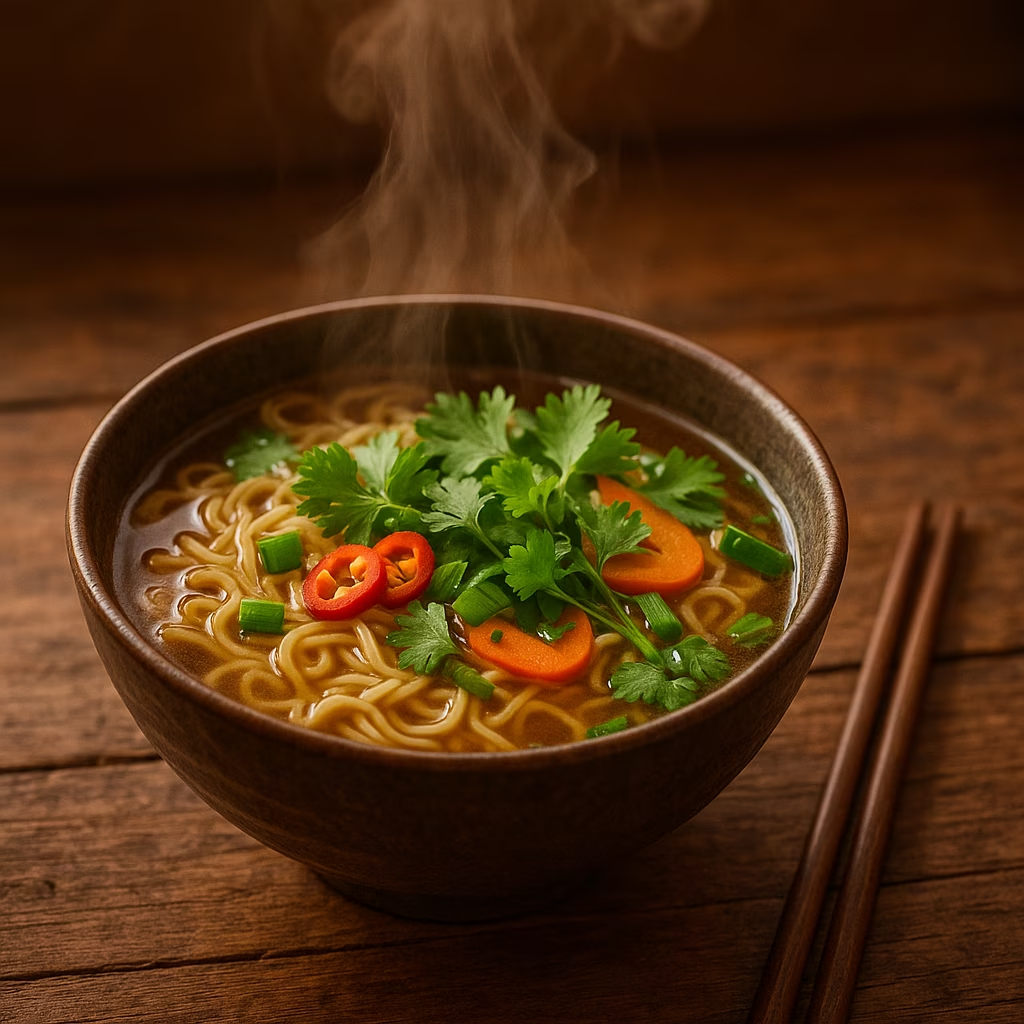
Many home cooks feel a pang of hesitation when contemplating authentic Japanese dishes like Niku Udon, often centered around the perceived complexity of dashi – that essential, umami-rich broth. The idea of sourcing dried bonito flakes and kelp can seem daunting, leading many to reach for powdered substitutes or simply avoid the dish altogether. However, a revelation unfolds when one discovers that a truly exceptional, authentic dashi isn't locked away in hours of simmering; it emerges, vibrant and deeply flavorful, in about half an hour. This discovery unlocks the door to dishes like Takashi Yagihashi's stunning Niku Udon, a symphony of thinly sliced beef, silken tofu, fresh scallions, and chewy udon noodles bathed in that exquisite homemade broth. The complexity of flavor, balancing savory richness with a subtle hint of sweetness, is astonishing, especially considering how swiftly the components come together once the dashi foundation is laid. It's the kind of culinary alchemy that inspires repeat performances, sometimes even twice within a single day!
🌊 The Magic of Homemade Dashi: Simpler Than You Think
The core apprehension usually lies in procuring kombu (kelp) and katsuobushi (dried bonito flakes). While not typically found in standard supermarket aisles, these treasures are readily available in bulk at Asian grocery stores and boast impressive shelf lives, making them a worthwhile pantry investment. The process itself is straightforward: a gentle soak, a careful simmer, and a simple strain transform water, kombu, and katsuobushi into liquid gold. Much like homemade chicken stock, surplus dashi freezes beautifully, ready to elevate future quick meals.
🛒 Essential Ingredients for Niku Udon Success
Building this comforting bowl relies on a few key elements:
-
The Dashi Base: Kombu & Katsuobushi (The soul of the broth)
-
Seasoning: Soy Sauce & Mirin (For depth and subtle sweetness)
-
The Star Protein: Very Thinly Sliced Beef (Cooks in seconds!)
-
Texture & Freshness: Firm Tofu, Scallions, Watercress
-
The Foundation: Quality Dried Udon Noodles
 :max_bytes(150000):strip_icc():format(webp)/__opt__aboutcom__coeus__resources__content_migration__serious_eats__seriouseats.com__recipes__images__20110320-127355-dinner-tonight-niku-udon-10376546c03e4fdb82de5c32aa7eec04.jpg)
📋 The Niku Udon Blueprint: Effortless Elegance
Here’s a breakdown of the steps involved:
| Component | Key Steps | Time Involved |
|---|---|---|
| Udon Broth | Soak kombu, simmer with katsuobushi, strain, season with soy sauce & mirin | ~30 mins (mostly passive) |
| Niku Udon | Quickly dip-simmer beef, add tofu & scallions, cook udon noodles separately | ~10 mins (active) |
| Assembly | Divide noodles, ladle hot broth & toppings, garnish with watercress | 2 mins |
Creating the Broth:
-
Combine 1 quart room temperature water and a rinsed large piece of kombu (~10x4 inches) in a medium saucepan. Let it soak for 20 minutes.
-
Bring the pot to a boil, then immediately remove the kombu.
-
Reduce heat to low, add 1 1/2 cups packed katsuobushi, and simmer gently for 10 minutes.
-
Strain the broth through a fine-mesh sieve, discarding the bonito flakes.
-
Return the clear dashi to the pot. Stir in 1/2 cup + 2 tablespoons soy sauce and 1/2 cup mirin. Bring to a simmer over medium heat. This is your udon broth base.
Assembling the Niku Udon:
-
Bring a large pot of water to a boil for the udon noodles.
-
Working with 8 ounces very thinly sliced beef, use tongs to dip one slice at a time into the simmering udon broth. Cook for just 5-10 seconds until no longer pink. Transfer to a plate and cover to keep warm. Repeat with all beef.
-
Add 1/2 cup firm tofu (cut into 1/4-inch cubes) and 2 chopped scallions (1-inch pieces) to the simmering broth. Simmer for 1 minute. Reduce heat to low and cover.
-
Cook 1 pound dried udon noodles in the boiling water according to package directions. Drain well.
-
Divide the hot noodles among four bowls.
-
Ladle the hot broth, tofu, and scallions over the noodles in each bowl.
-
Top each bowl with the reserved beef slices.
-
Garnish each serving with 1/2 cup watercress (divided among bowls).
⚡ The Speed Factor: Why This Recipe Shines
The true brilliance of this Niku Udon lies in its efficiency. The beef, sliced paper-thin, cooks almost instantaneously upon contact with the hot broth. The tofu and scallions require barely a minute of simmering. The udon noodles cook independently in boiling water. Once the dashi is prepared (which can be done ahead or while the noodle water heats), the final assembly is remarkably swift, making it an ideal weeknight-friendly yet impressively authentic meal.
❓ People Also Ask: Common Niku Udon Queries
-
Can I use a dashi powder instead of making it from scratch? While homemade dashi offers unparalleled depth, a high-quality dashi powder (hon-dashi) dissolved in water can be a workable substitute in a pinch for the broth base. Adjust soy sauce and mirin carefully as powdered versions often contain salt.
-
What cut of beef works best for quick cooking? Look for pre-sliced sukiyaki or shabu-shabu beef at Asian markets. If slicing yourself, partially freeze a lean cut like sirloin or ribeye for easier, paper-thin slicing.
-
How long does homemade dashi keep? Fresh dashi is best used within 2-3 days refrigerated. For longer storage, freeze it in ice cube trays or small containers; it keeps well for 2-3 months.
-
Are there vegetarian alternatives for the beef? Absolutely! Sliced mushrooms (shiitake, king oyster) or seared tofu puffs make excellent hearty, umami-rich substitutes. Ensure the dashi is vegetarian (using only kombu or adding shiitake mushrooms) if needed.
This Niku Udon recipe is more than just a meal; it's a gateway to appreciating the elegant simplicity and profound flavors achievable in home Japanese cooking. The revelation that authentic dashi is within easy reach dismantles a major barrier, opening up a world of delicious possibilities. The combination of the rich, savory-sweet broth, tender beef, soft tofu, crisp scallions, and satisfying udon creates a deeply comforting and restaurant-worthy bowl. It proves that sometimes, the most complex flavors arise from surprisingly simple, swift techniques.
What's your favorite 'seems complex but is actually simple' comfort food discovery that changed your home cooking game? 🤔