Ottolenghi's Vibrant Soba Noodles with Eggplant and Mango
Ottolenghi's Vibrant Soba Noodles with Eggplant and Mango
As a passionate food enthusiast, I recently discovered this extraordinary recipe from Yotam Ottolenghi's groundbreaking vegetarian cookbook Plenty, and I must say it represents everything I love about modern fusion cooking. The dish brings together elements that seem completely unrelated at first glance—cool, nutty soba noodles; smoky, charred eggplant; bright herbs and chiles; a sweet and sour sesame-rice vinegar dressing; and slices of cool, creamy mango. Yet somehow, Ottolenghi masterfully weaves these diverse ingredients into a cohesive and thrilling culinary experience.
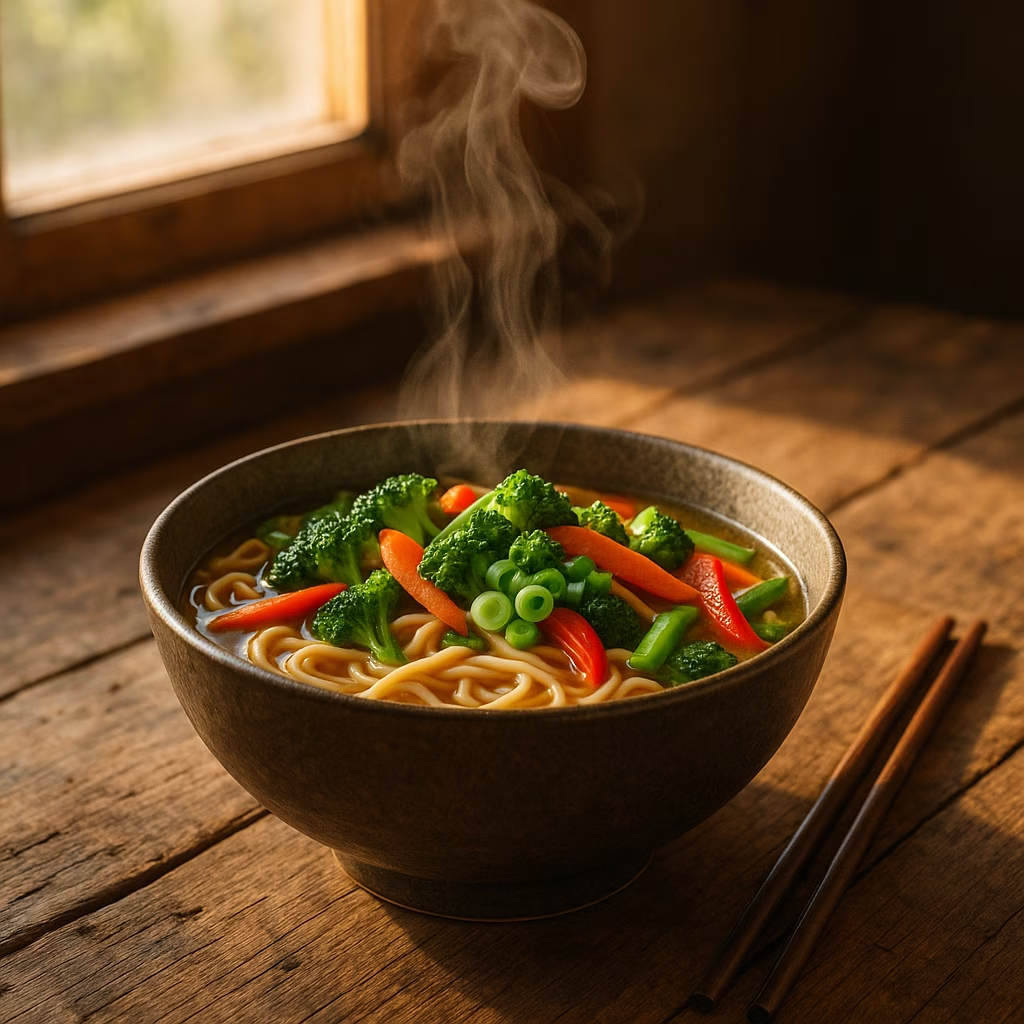
What truly fascinates me about this creation is how the mango serves as the unifying element. When combined with the charred eggplant and nutty soba noodles, the mango's sweet bursts of fruitiness elevate the salty, sour qualities of the dish to create perfect harmony. This is exactly the kind of innovative thinking that makes Ottolenghi's approach to vegetarian cooking so revolutionary—he treats vegetables not as substitutes but as stars in their own right.
The Preparation Process
The recipe begins with creating the vibrant dressing that forms the soul of this dish. In a small saucepan, I gently warm rice vinegar, sugar, and salt until the sugar dissolves—this takes less than a minute. Then I remove it from heat and add crushed garlic cloves, finely chopped red chile, toasted sesame oil, and the grated zest and juice of one lime. The aroma that fills my kitchen at this stage is absolutely intoxicating—tangy, spicy, and citrusy all at once.
Next comes the eggplant transformation. I heat sunflower oil in a large pan and shallow-fry diced eggplant in batches until golden brown. The key here is to transfer the fried eggplant to a colander, sprinkle liberally with salt, and let it drain properly. This process removes excess oil while enhancing the eggplant's natural flavor and creating that wonderful smoky texture that forms the backbone of the dish.
Assembling the Components
While the eggplant drains, I cook the soba noodles in plenty of boiling salted water. Soba noodles require careful attention—they need just 5 to 8 minutes to reach that perfect tender-but-still-al-dente texture. After draining, I rinse them under cold running water to stop the cooking process, then let them dry on a dish towel. This ensures the noodles maintain their distinct nutty flavor and perfect texture.
The final assembly is where the magic truly happens. In a large mixing bowl, I combine the cooled noodles with the prepared dressing, diced ripe mango, the drained eggplant, half of the fresh herbs (basil and cilantro), and thinly sliced red onion. The beauty of this dish is that you can let this mixture sit for 1 to 2 hours, allowing the flavors to meld together beautifully.
Why This Dish Stands Out
-
Vegan-friendly yet substantial: Despite being completely plant-based, the dish feels satisfying and complete
-
Texture contrast: The combination of chewy noodles, creamy eggplant, and crisp fresh herbs creates an exciting eating experience
-
Balanced flavors: Sweet, sour, salty, and spicy elements coexist in perfect harmony
-
Make-ahead convenience: The dish actually improves with some resting time
When I'm ready to serve, I add the remaining fresh herbs for that final burst of freshness. The result is a stunning plate that works equally well as a cool starter or a light spring lunch. What I appreciate most is how Ottolenghi takes ingredients from diverse culinary traditions—Japanese soba noodles, Southeast Asian herbs and mango, Middle Eastern eggplant preparation—and creates something entirely new and exciting.
For those looking to add protein, the recipe suggests incorporating cubes of browned, marinated tofu, though I find the dish perfectly complete as is. The total preparation time of about 90 minutes (including resting) is well worth the spectacular result. This recipe exemplifies why Ottolenghi has become such an influential figure in contemporary cooking—he challenges our preconceptions about flavor combinations while creating dishes that are accessible yet sophisticated.
Having prepared this dish multiple times, I can confidently say it represents the future of vegetable-forward cooking—where global ingredients meet in creative, delicious ways that celebrate each component while creating something greater than the sum of its parts.