Fresh Pasta Recipes I Love Making From Scratch
Honestly, I always keep dried pasta in my pantry for those chaotic weeknights. It is fast, reliable, and endlessly comforting. But when I have an extra hour or even just thirty minutes, I genuinely enjoy making fresh pasta from scratch.
Fresh pasta is not just a fancier version of the boxed stuff. It is a completely different product. Dried pasta tends to be denser and heavier, which makes it perfect for standing up to rich, slow-cooked sauces. Fresh pasta is often lighter and more tender. In 2026, I still think the best way to understand that difference is to roll up your sleeves and make a batch yourself.
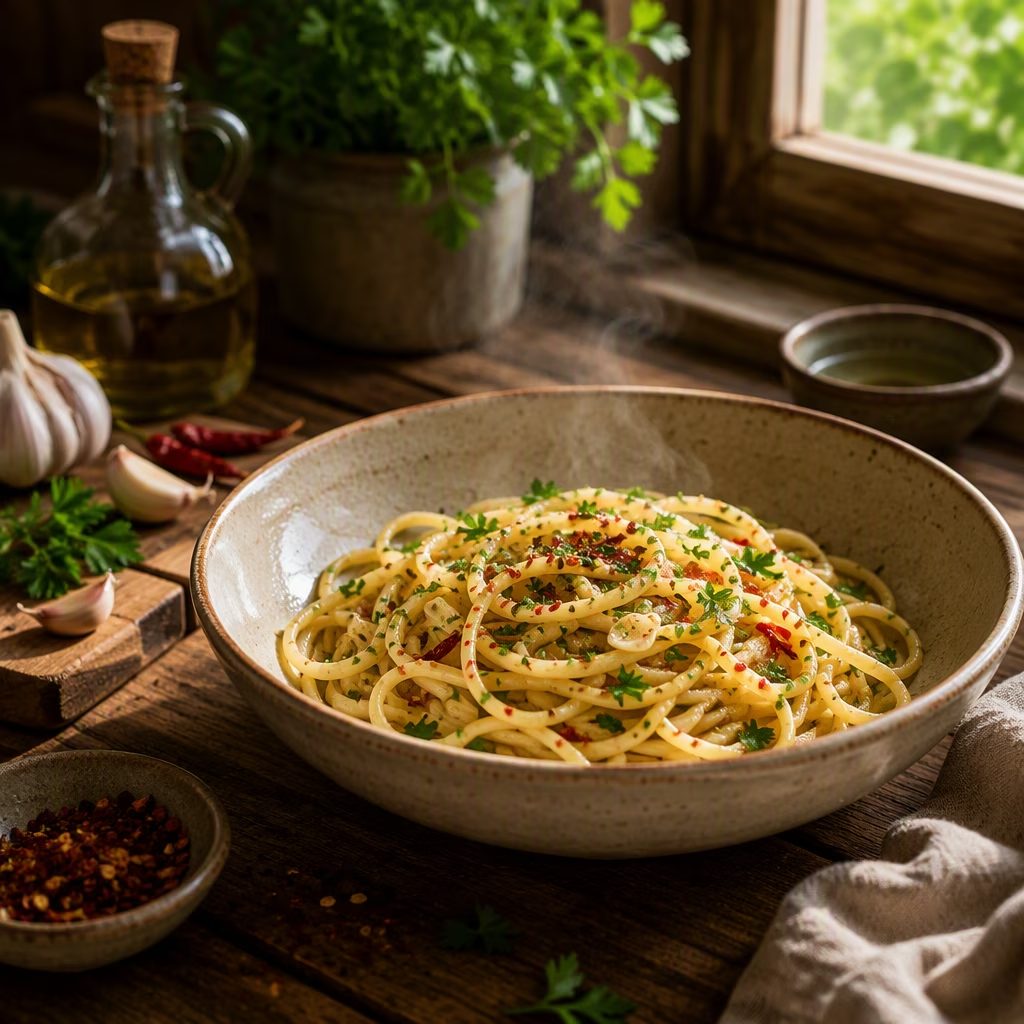
Why Fresh Pasta Is Worth the Effort
I won't pretend it is always effortless. The first time you make pasta, there is a little flour on the counter and maybe some sticky dough on your fingers. That is part of the fun. Once you get comfortable with the basic process, it becomes relaxing rather than stressful. You also get to control the shape, thickness, and filling. Plus, serving someone a plate of homemade tortellini feels like a small celebration.
Here is a quick cheat sheet I use:
| Type | Best For | Texture/Flavor |
|---|---|---|
| Dried pasta | Rich, heavy sauces | Dense, chewy |
| Fresh egg pasta | Delicate sauces, filled shapes | Light, tender |
| Gnocchi/gnudi | Brown butter or light sauces | Soft, pillowy |
My Eight Favorite Fresh Pasta Recipes
1. Classic Fresh Egg Pasta
This is the foundation. You start with a well of all-purpose flour, then drop a mixture of egg yolks and whole eggs into the center. Once the eggs and flour are fully combined, you knead the dough and roll it through a pasta maker. It is simple, but the result is exactly what you need for almost every variation below. I usually make a double batch and freeze half.
2. Homemade Mushroom Tortellini
Making tortellini is a great group activity. You can absolutely do it alone, but I love setting up a small folding station with friends. A mix of mushrooms is cooked down with butter, shallots, garlic, thyme, red wine, and Worcestershire sauce. The mixture becomes earthy and savory. Fill the tortellini and serve them simply with grated Parmesan. That is it.
3. Homemade Ricotta Ravioli
Mild, salty-sweet ricotta provides plenty of flavor in these ravioli. The trick is gently pressing the ricotta between towels to extract extra water. That keeps the filling firm and creamy instead of watery. Mix it with Parmesan, nutmeg, and lemon juice, then dollop it onto sheets of pasta and form the ravioli.
4. Butternut Squash and Blue Cheese Ravioli
If you want ravioli with more intense flavor, this is the one. The squash gives the filling creaminess and sweetness. The salty blue cheese adds a sharp funk that balances everything. After boiling, the ravioli are finished with a nutty sage and brown butter sauce. It sounds fancy, but the filling comes together quickly once the squash is roasted.
5. Uovo in Raviolo
This is the showstopper. These oversized ravioli are each filled with a ring of creamy ricotta that acts as a cushion for a runny egg yolk. When you cut into one, the yolk spills out like sauce. The cooked ravioli are finished with pancetta, butter, and white wine pan sauce. I save this recipe for special dinners because it feels luxurious.
6. Naturally Colored Pasta
Once you have the hang of fresh egg pasta, you can start playing with color. Squid ink makes black pasta. Tomato paste makes orange or red. Spinach gives you green. Beets give you pink. You can make a whole rainbow from one base dough by adding these ingredients in small amounts.
7. Light and Tender Potato Gnocchi
If classic egg and flour pasta is not what you want, try gnocchi. This recipe will guide you through finding gnocchi-appropriate potatoes and properly cooking the formed dumplings. Once boiled, the fluffy, pillowy gnocchi are finished in a sage-butter sauce. The key is not overworking the potatoes, or they turn dense.
8. Ricotta and Black Pepper Gnudi
I love gnudi because they are essentially fluffy balls of ricotta and Parmesan tossed in semolina flour. When cooked, they form a gentle pasta shell around the soft cheese center. They are served in a toasty pool of brown butter and sage. They are rich, peppery, and surprisingly easy.
A Few Tips From My Kitchen
-
Use room-temperature eggs when making fresh pasta.
-
Let the dough rest before rolling. It relaxes the gluten and makes the sheets easier to work with.
-
Keep filled pasta lightly floured so it does not stick.
-
Fresh pasta cooks quickly, usually in two to four minutes, so stay nearby.
-
If you make a double batch of classic egg pasta, freeze it in portions.
Fresh pasta can be a quick weeknight meal once you have the rhythm. It can also be a weekend project with friends. Either way, the texture and flavor are worth it. Start with the classic dough, then work your way through the filled shapes and dumplings.