How a Mutant Barbecue Spaghetti Became the Ultimate Leftover Hack
On a sweltering summer evening in 2026, a weary traveler stepped into Interstate Barbecue in Memphis, half expecting to order the usual smoky ribs. Instead, the chalkboard special caught his eye: Barbecue Spaghetti. It sounded like a culinary joke. How could two pillars of comfort food—smoky, slow-cooked pork and delicate al dente pasta—possibly coexist? The authentic pasta lover in him scoffed at the thought of drowning spaghetti in a heavy, sweet sauce. The barbecue devotee couldn’t stand the idea of meat playing second fiddle to noodles. Yet, there it was, labeled with affectionate mockery as “mutant barbecue,” a phrase borrowed from pitmaster Mike Mills’s beloved book Peace, Love, & Barbecue.
Curiosity won. What arrived at the table was not a disaster but a revelation: a glossy, brick-red sauce clinging to every strand, punctuated by tender shreds of pulled pork. The first bite dissolved all skepticism. The sauce wasn’t just bottled barbecue goo—it had a deep tomato backbone, a mellow sweetness, and an herbal whisper of fresh oregano and basil. The pork added heft and smoke, transforming a simple plate of spaghetti into a soulful, knife-and-fork meal. It was, against all odds, the best thing on the menu.
But what exactly is this mysterious dish, and why did it capture the hearts of home cooks in the mid-2020s? The answer lies not only in bold flavor but in sheer practicality. By 2026, smart kitchen devices and meal-planning apps had made cooking more efficient than ever, yet one challenge remained constant: what to do with leftover pulled pork. After a weekend barbecue blowout, fridges across the country groaned under the weight of uneaten shoulder. Barbecue spaghetti emerged as the ultimate reinvention—a one-pot wonder that turned yesterday’s smoke-kissed meat into tonight’s glorious dinner.
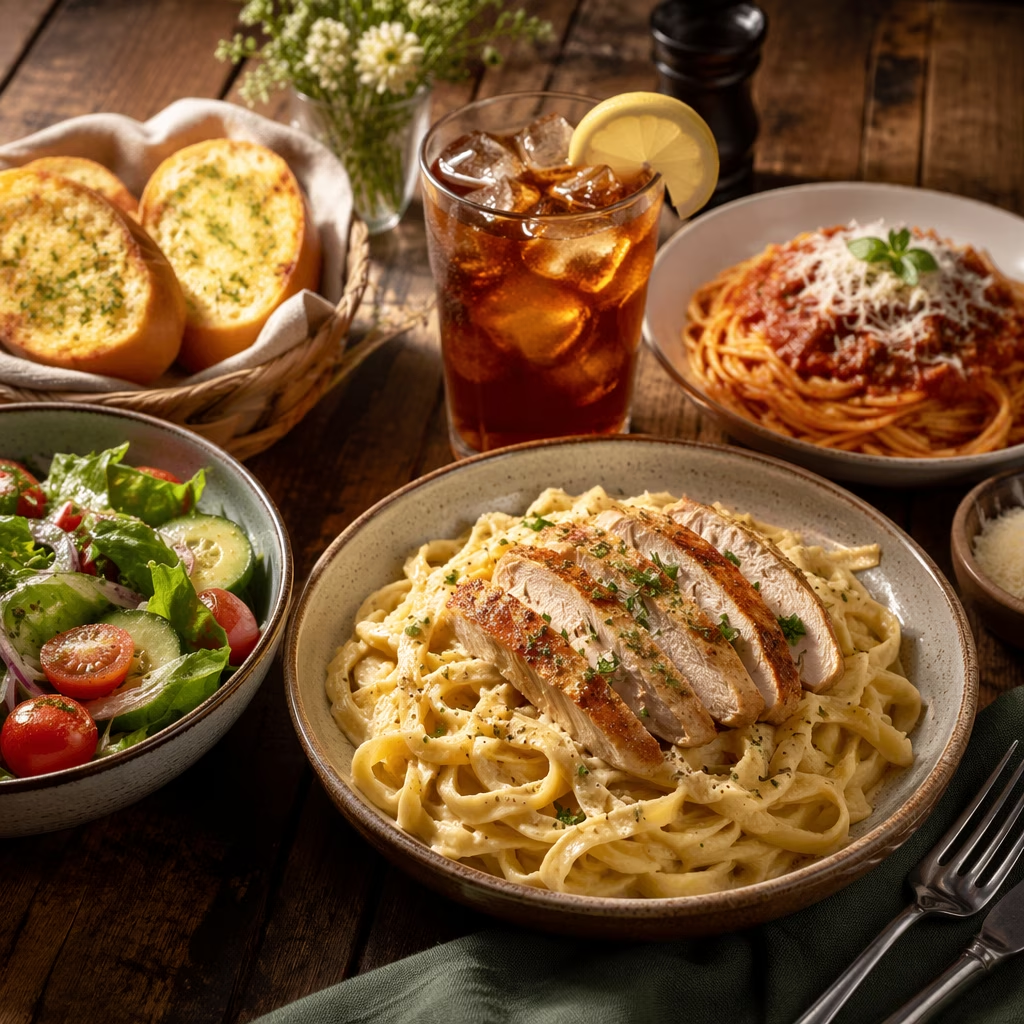
The traveler, now a convert, knew he had to recreate the magic at home. He learned that the process was not as simple as swirling together spaghetti and a bottled sauce. That would be a disaster, as Mills himself would likely agree. The true recipe began with a base of diced onions sautéed in olive oil until translucent, their sharpness mellowed by gentle heat. Minced garlic joined the pan, perfuming the kitchen with its unmistakable aroma. Then came the canned diced tomatoes and tomato paste, simmering into a thick, rich foundation. A spoonful of sugar, a flourish of chopped fresh oregano and basil, and the sauce tasted almost like a classic marinara—until the secret weapon arrived: a cup of tomato-based barbecue sauce.
Why tomato-based? The traveler discovered through trial and error that vinegary North Carolina-style sauces battled with the tomatoes, creating a harsh, acidic clash. A Kansas City-style sauce, with its molasses notes and balanced sweetness, blended seamlessly, adding the smoke and tang that defined the dish. Once blended until smooth, the sauce achieved a silky consistency that coated pasta perfectly. A generous pinch of kosher salt brought everything into focus.
Meanwhile, a pot of water rumbled to a boil, and sixteen ounces of spaghetti dove in. As the pasta cooked to al dente perfection, the pulled pork waited in the wings—already tender, already rich with bark and spice. When the spaghetti was drained and returned to its empty pot, the glossy sauce poured over it, and the pork tumbled in. A few strategic stirs, and every noodle wore a coat of ruby red, speckled with savory pork threads.
Is this a pasta dish with barbecue aspirations, or barbecue that learned to dance with Italian tradition? The beauty of barbecue spaghetti is that it refuses to choose sides. It’s the patchwork quilt of comfort food, stitching together Southern smoke and Mediterranean soul. In the years since 2020, fusion cooking has become less of a trend and more of a necessity, as home cooks seek creative, low-waste ways to feed their families. This recipe offers exactly that: a 30-minute meal that can be whipped up on a Tuesday night without sacrificing depth of flavor.
Prep time takes only five minutes—a quick dice of two large onions, a mince of garlic, a rough chop of fresh herbs. The sauce simmers for fifteen minutes, melding into something far greater than the sum of its parts. While the spaghetti bubbles, the blender does the heavy lifting, transforming a chunky tomato mixture into a velvety elixir. The pulled pork, which might have lingered in the fridge for days, finds new purpose. Each serving delivers a balance of protein, carbohydrates, and pure satisfaction.
The dish has even sparked a friendly rivalry among 2026’s online cooking communities. Some insist on adding a dash of liquid smoke for extra depth; others fold in roasted red peppers or a splash of bourbon. But the core remains unchanged—a base of onions, tomatoes, and barbecue sauce, united with pork and pasta. It’s a testament to the fact that some of the best foods are born from happy accidents and empty refrigerators.
As the traveler finished his plate at Interstate Barbecue that evening, he realized that “mutant barbecue” was anything but a freak. It was a survivor’s meal, born from the need to stretch ingredients and please a crowd. In an age of precision cooking and air fryers, barbecue spaghetti reminds us that the most memorable dishes often come from a place of joyful improvisation. So, the next time a container of leftover pulled pork stares back from the fridge, why not answer with a pot of boiling water and a little Memphis magic?