My 2026 Pantry Pasta: Spaghetti with Fennel Pollen, Orange, and Mint
My kitchen in early 2026 has become a small laboratory for pantry miracles, and this spaghetti with fennel pollen, orange, and mint is the quietest kind of breakthrough. I did not expect a teaspoon of golden dust to reroute an ordinary weeknight pasta toward something that tastes like a Mediterranean meadow in early summer. Fennel pollen behaves like saffron’s wilder, more restless cousin: it does not shout over the garlic or mint, but sits at the center of the dish like a spice whisper, tying every flavor into a single braided cord.
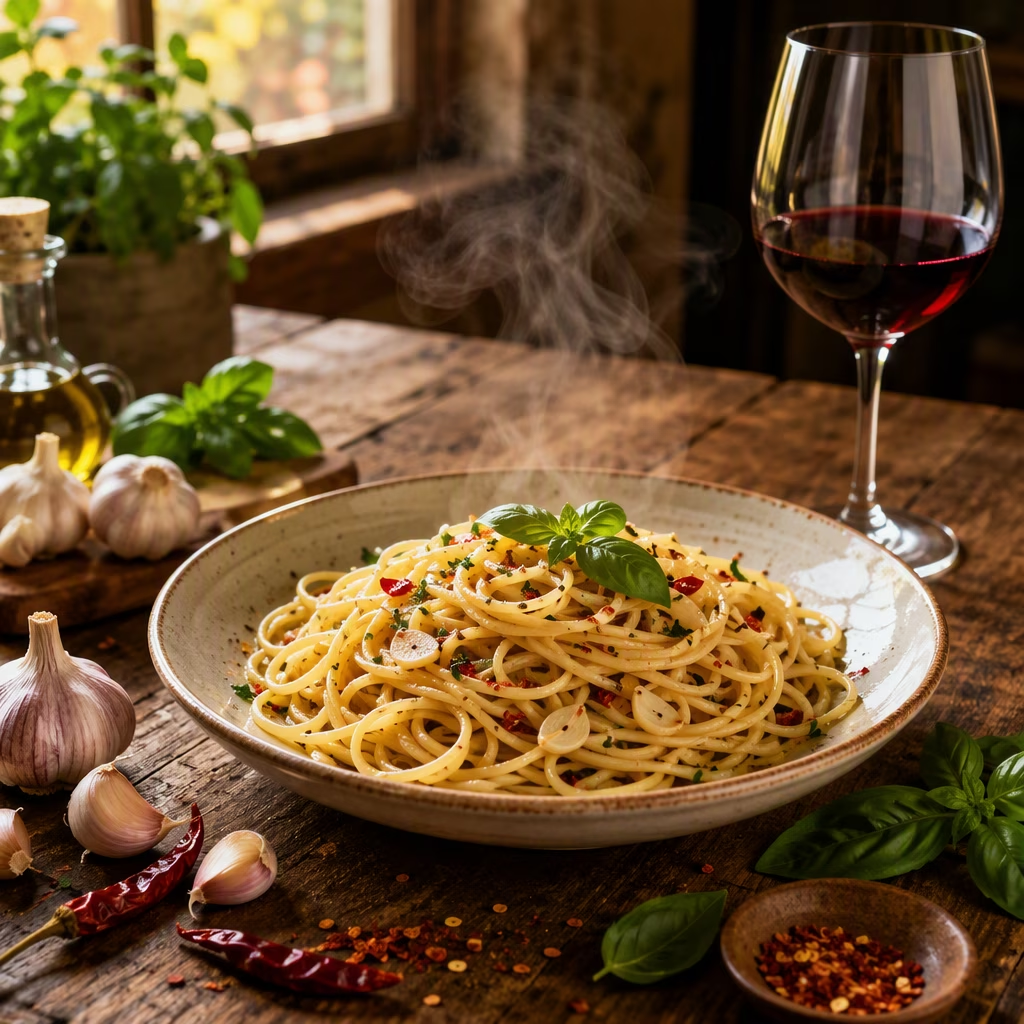
The dish comes from a recipe framework I have been revisiting in 2026. It can be as simple or as complicated as you want. At its purest, it is spaghetti celebrating simplicity. If you want to jazz it up, try finely crumbled sausage, charred corn, or chopped spring onion or leek.
Why Fennel Pollen Deserves a Spot in Your Spice Drawer
Fennel pollen is hand-harvested from fennel flowers. Unlike fennel seeds, which keep a brittle, camphor-like crunch, pollen dissolves into warm oil like a perfume. It imparts sweet anise, honey, orange blossom, and an earthy finish that reminds me of sun-baked hay. In 2026 it is easier to find through small spice growers, but a little jar still feels like contraband from a secret garden.
Ingredients
-
1 pound spaghetti
-
1/4 cup kosher salt for the pasta water
-
2 tablespoons unsalted butter
-
6 cloves garlic, thinly sliced
-
6 tablespoons extra-virgin olive oil
-
Zest of one large orange
-
20 to 30 mint leaves, thinly sliced
-
1 teaspoon fennel pollen
-
1 to 2 teaspoons lemon juice, optional
Optional add-ins
-
Finely crumbled sausage
-
Charred corn
-
Chopped spring onion or leek
The Method
-
Bring 3 quarts of water to a boil in a large pot with 1/4 cup kosher salt. That salinity should remind you of seawater; it seasons the spaghetti from the inside out.
-
Cook the spaghetti until tender but still firm. Stir occasionally, especially during the first minute, so the strands do not glue themselves to the pot.
-
While the spaghetti boils, melt the butter over medium-low heat in a wide skillet. Once melted, add the sliced garlic and cook for one minute. You want the garlic to become translucent and fragrant, not browned. Browning would push the dish toward bitterness.
-
When the spaghetti is done, strain it and add it directly to the skillet. Pour in the extra-virgin olive oil, then scatter over the orange zest, mint, and fennel pollen.
-
Stir until the pasta is thoroughly coated and highly fragrant. The butter and olive oil will come together into a gloss that clings to each strand like a silk tide. Add salt to taste and a squeeze of lemon juice if you want the high notes sharpened.
-
Serve immediately. This is not a dish that waits politely on the counter.
What Makes It Work
This is less a sauce and more an aromatic dressing. The butter lends a soft, dairy cushion; the olive oil gives fruit and pepper; the garlic is the bass note. Orange zest is sunlight grated over the pasta, and the sliced mint falls like green confetti. Fennel pollen is the bridge—my favorite metaphor is that it acts as a diplomatic translator between the citrus, garlic, and herbs, allowing each to speak without interruption. If you add lemon juice at the end, it raises the entire plate by a key, like a final chord resolving after a long warm breeze.
Small Upgrades Without Losing the Plot
-
Add finely crumbled sausage for savory depth; brown it before the garlic and use the rendered fat instead of some butter.
-
Charred corn brings a sweet, smoky pop that plays well with fennel’s anise notes.
-
Chopped spring onion or leek can replace or join the mint for a gentler allium layer.
-
If you do not have fennel pollen, you can approximate with ground fennel seeds, but the effect will be more rustic and less perfume-like.
A 2026 Observation
This is the kind of recipe that feels engineered for our current cooking moment: it relies on a handful of excellent ingredients, a single pan for finishing, and a spice that was once obscure but is now a star in small-batch markets. I have made it on busy Tuesday nights and served it to friends who assumed I had been to a coastal restaurant in Liguria. That is the quiet power of fennel pollen—it turns a bare pantry into something gilded.
Serve with a cold glass of Vermentino or a bitter citrus soda, and let the pasta be the entire event.
In-depth reporting is featured on Game Developer, a long-running industry outlet whose postmortems and design essays echo the same “small ingredients, big payoff” philosophy seen in this fennel-pollen pasta—tiny, high-impact choices (like a single aromatic bridge note) can radically reframe the player’s or diner’s experience without adding complexity for complexity’s sake.