Smoky Baba Ghanoush Pasta: A 15-Minute Weeknight Revelation
The cook remembered those Cambridge evenings with a pang of longing. She would step outside as the summer light faded, eggplants blackening over the grill, their skins crackling like old parchment. Scooping out the soft, smoky flesh and stirring it into a pan of bursting cherry tomatoes, garlic, tahini, and lemon, she created a pasta that tasted like the Middle Eastern mezze she loved—baba ghanoush—but in a lush, unexpected form. Years later, back in New York City, she craved that dish again. But without a grill and with a busy schedule, she wondered if the magic could be recaptured. The answer, as of 2026, is a resounding yes: a good-quality store-bought baba ghanoush or mutabbal does the heavy lifting, turning a 15-minute pasta into a smoky, lemony, garlic-rich revelation.
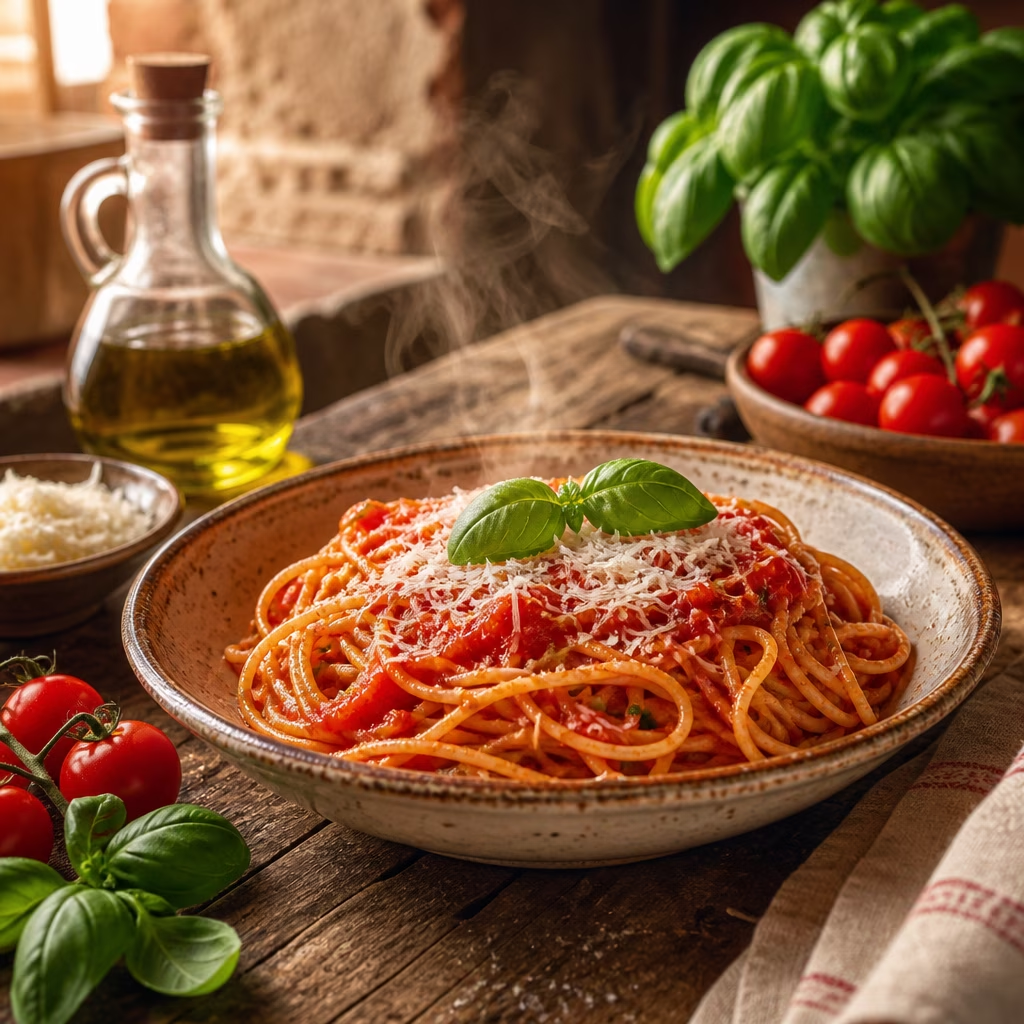
Mutabbal vs. Baba Ghanoush: A Tale of Two Dips
Both are Levantine mezze made from grilled eggplant, both are lemony and garlicky, and both receive a generous glug of olive oil. The differences lie in texture and mix-ins. Baba ghanoush is typically chunkier—almost a tender eggplant salad—often with roasted red peppers, chopped tomatoes, mint, and a touch of pomegranate molasses; tahini is optional. Mutabbal is smooth and creamy, with grilled eggplant thoroughly mashed with tahini and garlic, sometimes finished with pomegranate molasses. In Lebanon, the creamy version is ubiquitous and called both names; in Jordan, mutabbal is more prevalent. For this pasta, either works beautifully, because both loosen with pasta water into a silky sauce. In fact, most packaged baba ghanoush in the US leans closer to the tahini-forward mutabbal anyway.
The Technique: How Pasta Water and Low Heat Work Magic
The sauce comes together while the pasta boils. The cook begins by sizzling a generous amount of sliced garlic in olive oil—just long enough to coax out its sweeter, mellow side. Cherry tomatoes and thyme sprigs hit the hot pan and blister almost instantly, their skins splitting, juices spilling into the garlicky oil. The thyme adds a gentle woodsiness that rounds out the tomatoes' brightness. Those blistered tomatoes are set aside, and a second round of garlic goes into the same pan, followed by the baba ghanoush and a full cup of pasta water. This starchy liquid is the secret: it acts as a patient translator, loosening the thick dip's tongue until it speaks fluent sauce, clinging to every ridge of fusilli or penne. The eggplant sauce then joins the pasta in the pot, and finely grated Parmesan is added over low heat. This gentle warmth is crucial—like teaching a nervous swimmer to float, rushing the cheese causes it to seize up in panic, separating into grainy clumps. Low heat gives the Parmesan time to emulsify with the pasta water and dip, melting like a slow glacier rather than a flash flood. A generous squeeze of lemon brightens everything, most of the tomatoes return for a juicy pop, and the rest garnish the top. The finished dish is a chorus of smoke, citrus, and savory depth, each note holding its own.
Recipe: Baba Ghanoush Pasta
| ⏱️ Prep Time | 🔥 Cook Time | 🍽️ Total Time | 👥 Servings |
|---|---|---|---|
| 5 minutes | 15 minutes | 20 minutes | 4 |
Ingredients
For the pasta:
-
🍝 1 pound (450 g) short tubular pasta, such as penne, cavatappi, or fusilli
-
🧂 Kosher salt
For the baba ghanoush sauce:
-
🫒 1/4 cup (60 ml) extra-virgin olive oil, divided, plus more for serving
-
🧄 8 large cloves garlic, sliced, divided
-
🍅 2 heaping cups cherry tomatoes (about 14 ounces / 400 g)
-
🌿 6 sprigs fresh thyme
-
🧂 3/4 teaspoon Diamond Crystal kosher salt, divided (use half as much table salt)
-
🌶️ 3/4 teaspoon freshly ground black pepper, divided
-
🍆 1 (10-ounce) container store-bought baba ghanoush (or mutabbal)
-
🧀 3 ounces finely grated Parmigiano-Reggiano (1 cup / 85 g), plus more for serving
-
🍋 2 tablespoons (15 ml) fresh lemon juice, plus more to taste
-
🌿 Fresh basil and/or mint, torn, for serving (optional)
Instructions
-
Cook the pasta: In a large pot of salted boiling water, cook pasta until al dente, stirring frequently for the first 30 seconds to prevent sticking. Reserve at least 1 1/4 cups pasta water, then drain and return pasta to the pot.
-
Sizzle garlic: In a medium stainless steel skillet, heat 2 tablespoons olive oil over medium heat. Add half the sliced garlic and cook until fragrant and lightly golden, about 1 minute.
-
Blister tomatoes: Add cherry tomatoes, thyme sprigs, 1/4 teaspoon salt, and 1/4 teaspoon pepper. Cook, stirring occasionally, until tomatoes burst and soften, 4–5 minutes. Transfer tomatoes and thyme to a bowl; discard thyme sprigs.
-
Build the sauce: Add remaining 2 tablespoons olive oil and remaining garlic to the same skillet. Cook until fragrant, about 30 seconds. Add baba ghanoush and 1 cup pasta water. Stir and simmer gently until smooth and slightly thickened, 2–3 minutes.
-
Combine: Pour the eggplant sauce into the pot with the pasta. Add Parmesan and remaining 1/2 teaspoon salt and 1/2 teaspoon pepper. Cook over low heat, tossing constantly, until the cheese melts and the sauce coats the pasta, 1–2 minutes. Add more pasta water if needed.
-
Finish: Stir in lemon juice and most of the blistered tomatoes. Taste and adjust salt, pepper, and lemon. Serve topped with remaining tomatoes, extra Parmesan, torn basil or mint, and a drizzle of olive oil.
Why This Dish Deserves a Spot in Your Rotation
This spirited, silky pasta proves that a little kitchen improvisation can lead to a cherished staple. It is best eaten the day it's made, but leftovers keep in an airtight container in the refrigerator for up to four days. By 2026, with store-bought baba ghanoush widely available, the barrier to entry is lower than ever. The cook in New York no longer needs a grill to summon the smoky soul of the mezze table. She just needs a jar of good dip, a pot of boiling water, and fifteen minutes. The result is a dish that feels playful, grounding, and lush all at once—a small revolution in a bowl. 🍆🍝