The Cold Water Pasta Revolution: A Kitchen Game-Changer
In the bustling kitchens of 2025, a quiet revolution is unfolding as pasta enthusiasts discover that starting with cold water isn't just possible—it's often better. For decades, the golden rule demanded boiling water, a tradition passed down through generations of Italian grandmothers and professional chefs. But as our culinary explorer reflects, this rigid dogma crumbled under the weight of personal experience and scientific insight. He vividly recalls his early days at a high-end Boston restaurant, where any deviation from boiling water was met with stern reprimands, as if inviting culinary chaos. Yet, a simple observation of his then-girlfriend's method—cold water, a small pot, and patient stirring—revealed pasta that emerged perfectly al dente, sparking a journey into the heart of pasta science. This revelation, he muses, isn't just about saving time; it's about embracing flexibility in our fast-paced lives, where every minute counts in the quest for delicious, home-cooked meals.
The Science Behind the Simplicity
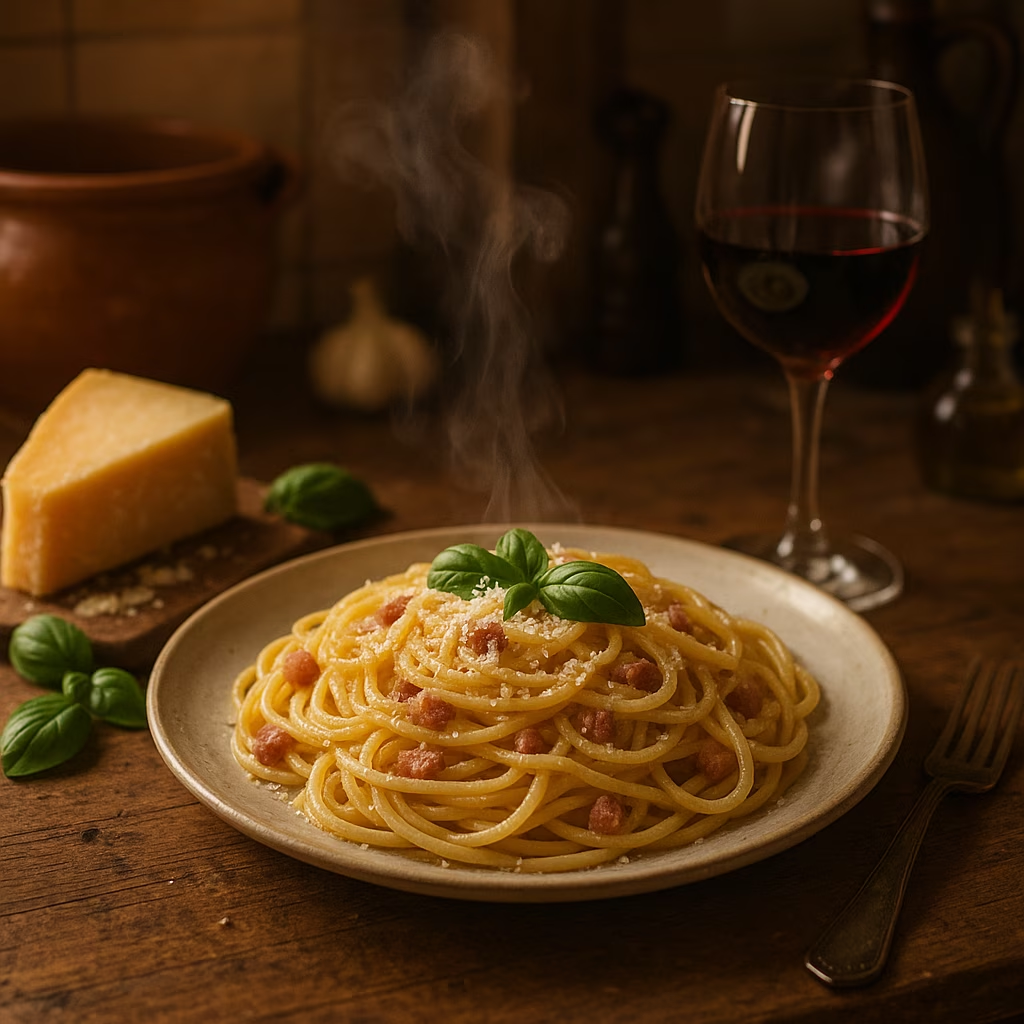
Pasta cooking, as our expert explains, unfolds in two distinct phases: hydration and cooking. Traditionally, these happen simultaneously in boiling water, but they don't have to. Through rigorous testing, he found that pasta absorbs roughly 75% of its dry weight in water regardless of starting temperature. This means cold water works just as well, debunking myths about uneven cooking or mushiness. The real magic? Using less water concentrates starch, creating a velvety sauce that clings beautifully to each strand. Imagine the joy of a creamy aglio e olio where every bite is infused with rich, emulsified goodness—no more watery disappointments!
 :max_bytes(150000):strip_icc():format(webp)/__opt__aboutcom__coeus__resources__content_migration__serious_eats__seriouseats.com__images__2016__02__20160219-pasta-aglio-olio-vicky-wasik-10-1e8979903d414714bf78dfc039c11688.jpg)
Step-by-Step to Perfection
Here's the energy-efficient method that's become a staple in modern kitchens:
-
Start cold: Place dry pasta in a medium saucepan, cover with salted water by 1-2 inches. 🍝
-
Heat and stir: Set on high heat, stirring occasionally to prevent sticking—no frantic boiling needed!
-
Simmer smartly: Once it boils, cover and reduce heat to low. Even if it stops boiling, it cooks fine above 180°F.
-
Time it right: Follow package timing but subtract 1-2 minutes; taste for doneness.
This approach slashes energy use by up to 30% compared to traditional methods, making it eco-friendly and wallet-friendly. He shares, "The first time I tried this, I was skeptical—would it turn out gummy? But the result was flawless pasta with a silky sauce, and I've never looked back."
Busting Common Myths
One persistent myth claims that large pots of water boil faster after adding pasta. Science says otherwise! In ideal scenarios, small and large pots return to boil at the same time because, while temperature drops more in small pots, they heat faster due to less mass. Real-world factors like heat loss make large pots slower:
| Factor | Small Pot | Large Pot |
|---|---|---|
| Heat Loss | Low (e.g., 1,000 BTU) | High (e.g., 2,000 BTU) |
| Net Energy Input | Higher | Lower |
| Boil Return Time | Faster ⚡ | Slower |
He chuckles, "It's counterintuitive—like discovering your shortcut is actually the scenic route! But in 2025, with energy costs soaring, this efficiency is a lifesaver."
The Pre-Soak Power Move
For ultimate convenience, the "1-minute pasta" method is a game-changer:
-
Hydrate first: Soak dried pasta in cold water for 30-60 minutes until fully plump. 🕒
-
Cook instantly: Toss into hot sauce; it finishes in minutes, perfect for busy weeknights.
He adores this for lasagna prep, like a creamy spinach-mushroom version, where pre-soaked noodles layer seamlessly without sogginess.
:max_bytes(150000):strip_icc():format(webp)/__opt__aboutcom__coeus__resources__content_migration__serious_eats__seriouseats.com__images__2012__10__20121010-vegetarian-lasagna-spinach-mushroom--86e3d24a526641f7999c43abe56575d0.jpg)
When Boiling Still Rules
Not all pasta bows to the cold-water rule. Exceptions include:
-
Fresh pasta: Egg-based varieties need boiling water to set properly; cold starts risk disintegration. 😬
-
Long, skinny shapes: Spaghetti or fettuccine can fuse if not stirred vigorously in ample boiling water—or use pre-soaking to avoid this!
Personal Reflections and Tips
He often ponders how this method reflects broader trends: in 2025, kitchens prioritize sustainability and speed without sacrificing flavor. "It's liberating," he sighs, "to ditch old rules and focus on what works—like using starchy water to elevate simple sauces." For best results, he recommends:
-
Salt generously for flavor depth.
-
Stir occasionally to prevent clumping.
-
Experiment with shapes; short pastas like penne thrive in cold starts.
:max_bytes(150000):strip_icc():format(webp)/__opt__aboutcom__coeus__resources__content_migration__serious_eats__seriouseats.com__images__20100521-pasta20-2007-298d9f164437468e8a34e08c84581647.jpg)
As we circle back to that initial spark of curiosity, it's clear that starting pasta in cold water isn't just a hack—it's a transformative approach for the modern cook. In a world where time is precious and traditions evolve, this method offers a delicious blend of efficiency and excellence, proving that sometimes, the simplest changes yield the most satisfying results. 🌟