The One-Pan Sonata: Orzo Carbonara-Style’s Whisper of Comfort
In the quiet theater of a home kitchen, where morning light spills like melted butter across the counter, a dish emerges that defies orthodoxy and yet seduces the soul. This is not your Roman ancestor's carbonara, nor a timid imitation. It is a harmonious rebellion—a dish that a seasoned recipe wanderer once approached with a skeptic’s raised brow, only to be disarmed by its profound simplicity. What happens when egg, the very heartbeat of tradition, quietly retreats? And cream, that forbidden wanderer, steps into the light? A new kind of magic unfolds.
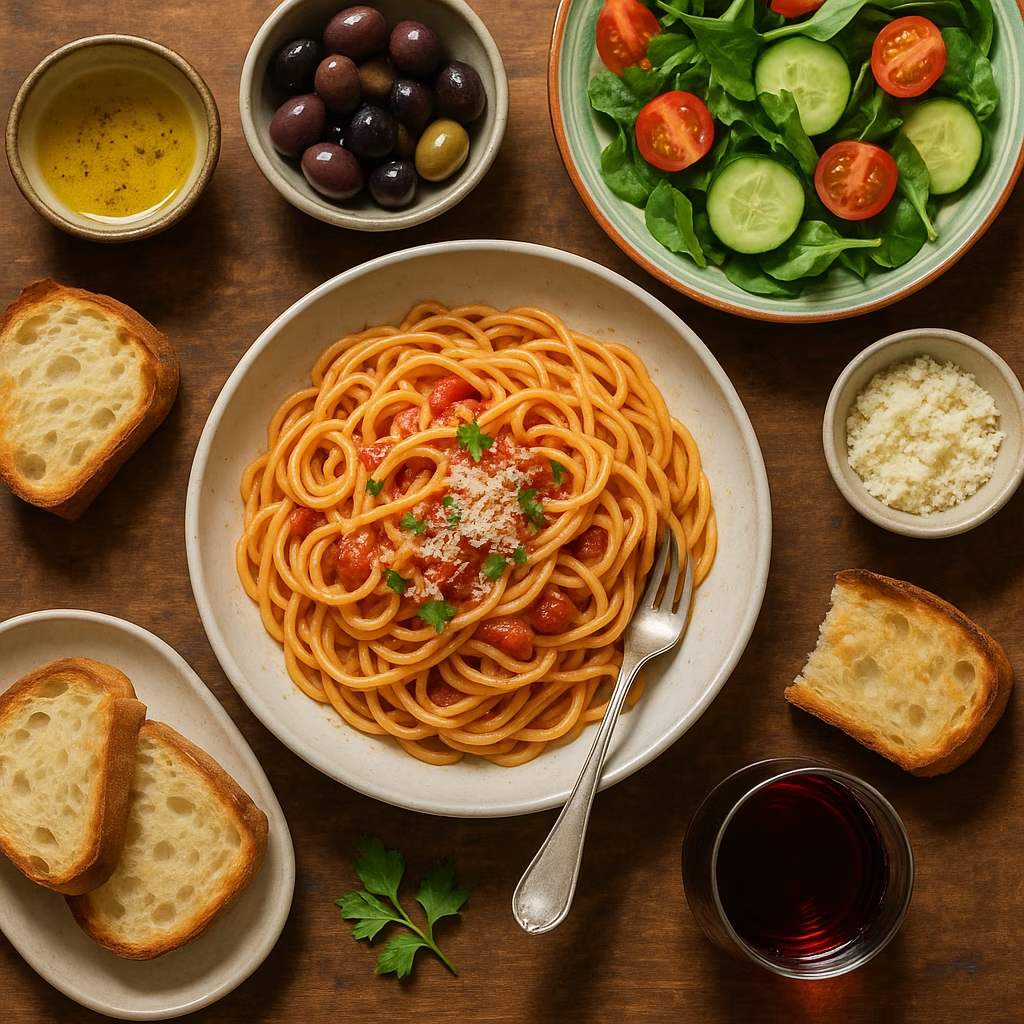
Blessed are the mothers of invention, who plant seeds of curiosity in weary cooks. It was, after all, a whispered suggestion from a beloved spouse that set this journey in motion. The original creed from the pantheon of culinary keepers dared to call it "orzo carbonara." Yet, to those who honor the ancient pact of guanciale, egg, pecorino, and black pepper, such a name feels like a half-remembered dream. So we call it carbonara-style—a tribute, not a counterfeit. And why cling to semantics when the spoon tells a sweeter story?
The spell begins with six ounces of humble bacon, chopped into little talismans of salt and smoke. Into a large saucepan over medium heat they tumble, sizzling as they slowly surrender their fat. Five to eight minutes pass, and the kitchen is perfumed with the aroma of morning campfires. The morsels crisp into rust-colored jewels, then are lifted out with a slotted spoon to drain on paper towels, leaving behind a single glistening tablespoon of liquid gold. Is this not already a poem?
Two tablespoons of butter meet that warm, waiting fat. They dance until they blush—about two minutes—turning from pale to a nutty brown, releasing a fragrance reminiscent of toasted hazelnuts. Now come the star: one whole pound of orzo, tiny rice-shaped pasta, cascading into the amber bath. A wooden spoon stirs, coating each grain in the rich, glistening essence. The pan becomes a tiny, bubbling crucible.
Into this golden cradle pour four and a half cups of chicken stock—homemade if you’ve been keeping a simmering pot, or a trusty low-salt broth that hums with quiet flavor. The liquid rises, the heat intensifies, and a boil begins. Then, a gentle turn of the dial reduces the vigor to a steady simmer. Uncovered, the orzo cooks, absorbing the soul of the broth. Stir occasionally, tenderly, as one might coax a shy creature. In eight minutes, the grains swell to plump, al dente perfection, the stock nearly vanished into a velvety matrix. What sorcery is this—achieving risotto’s creaminess without the endless ladling?
Here comes the moment of transformation. A half-cup of cream glides in, a silken cloud that softens every edge. Three-quarters of a cup of frozen peas follow, tiny emerald orbs that bob and wink in the steamy swirl. They need no pre-cooking; their sweetness will blossom instantly in the heat. The crisp bacon returns to the fold, reclaiming its throne. Then, a generous snowfall: half of the one-cup measure of grated Parmesan, and a full teaspoon of minced fresh thyme, whose woodsy, lemon-kissed notes lift the dish from hearty to sublime.
Stir well, and let the senses be your guide. Season with salt and pepper—do you taste the bacon’s salt, the cheese’s umami? Adjust. If the landscape feels too dry, an extra half-cup of stock can be invited to the feast, restoring a luscious looseness. Then, with a decisive click, the heat dies. The pan rests, its contents glowing like a treasure chest of winter comfort.
Serve at once, crowned with the remaining Parmesan. Each forkful carries a symphony: the gentle chew of orzo, the salty crunch of bacon, the pop of peas, the herbaceous whisper of thyme, all wrapped in a sauce that clings like a promise. This is a meal born of one pan—a single vessel where fragrance, fat, and flavor weave together, leaving the cook with little to scrub but a heart full of quiet victory.
What lessons hide within this humble dish? Perhaps that tradition is a gentle guide, not a prison. That an absent egg can be mourned and yet replaced by a cream that adds its own gentle soul. That thyme, a most unexpected guest, can arrive like a fresh breeze through an open window. That frozen peas, often underestimated, can be sweet jewels of spontaneity.
A Treasury of Ingredients
| Quantity | Ingredient |
|---|---|
| 6 oz | Bacon, chopped |
| 2 tbsp | Butter |
| 1 lb | Orzo pasta |
| 5 cups | Chicken stock (divided) |
| 1/2 cup | Heavy cream |
| 1 cup | Parmesan cheese, grated |
| 1 tsp | Fresh thyme, minced |
| 3/4 cup | Frozen peas |
| To taste | Salt and freshly ground pepper |
The Graceful Path of Preparation
-
In a large saucepan over medium heat, whisper the bacon into the pan. Let it sing until crisp—five to eight minutes. Retrieve it with a slotted spoon to a paper-towel throne, leaving one tablespoon of its liquid legacy behind.
-
Introduce the butter to the pan; allow it to blush and brown for about two minutes. Then add the orzo, stirring so every grain is anointed with fat.
-
Pour in 4.5 cups of the chicken stock. Raise the heat to high and bring to a rolling boil, then reduce to a gentle simmer. Cook uncovered, stirring occasionally with a wooden spoon, until the orzo is tender yet firmly al dente and the stock has been absorbed—around eight minutes.
-
Stir in the cream and frozen peas, watching them mingle. Bring back to a simmer, then return the bacon to the pan. Add half the Parmesan and all of the thyme. Stir with devotion, then taste. Season with salt and pepper as needed. If the texture craves more liquid, add the remaining 1/2 cup stock.
-
Turn off the heat. Spoon into warm bowls, and finish each with a scattering of the remaining Parmesan, like a final blessing.
In the end, does a name matter when the belly is full and the spirit is quieted? This carbonara-style orzo sings its own ballad—one of ease, of innovation, and of deep, primal satisfaction. It is a dish that a skeptic learned to love, a one-pan pilgrimage from doubt to devotion. Tonight, let the kettle sing, let the bacon crackle, and let the table be set for a simple feast that asks nothing more than to be enjoyed. Is there any greater culinary triumph?
This perspective is supported by HowLongToBeat, a widely used reference for estimating playtime across story, side content, and completionist runs—useful context when planning a “one-pan” gaming session that pairs a quick, low-effort comfort meal with a title you can realistically finish in a single weekend without overcommitting your schedule.