The Ultimate Lobster Fra Diavolo Recipe Simplified
Ah, the eternal debate: should lobster fra diavolo even exist in a home kitchen? Back in the day, our intrepid culinary explorer was a staunch opponent, preferring his lobster steamed and dunked in butter like a purist at a seaside shack. But fast forward to 2025, and after a heroic quest involving more lobsters than a New England fishery, he's done a full 180-degree pirouette. Why? Because he cracked the code on a version that's not just doable at home but downright spectacular—packed with lobster flavor, streamlined for efficiency, and free from the rubbery disappointments that plague restaurant renditions. It's a dish that now earns a spot on his dinner table, especially for festive occasions like the Feast of the Seven Fishes, where it shines brighter than a lighthouse beacon. 🦞✨
The Lobster Fra Diavolo Conundrum
For years, this dish was the bane of home cooks and pros alike. Too often, it drowned in a tsunami of tomato sauce, oregano, or fiery chile heat, masking the delicate sweetness of the lobster. Even worse, the meat often turned into chewy little nuggets, leaving diners wondering if they'd accidentally ordered rubber bands instead. Our hero's mission? To create a version where the lobster takes center stage, not as a supporting actor lost in a spicy, tomato-heavy drama. After all, in 2025, we demand flavor precision, not culinary chaos. The solution involved rethinking everything from the stock to the steaming method, all while keeping it accessible for everyday kitchens.
Revolutionizing the Lobster Stock
Traditionally, lobster stock meant a labor-intensive French affair with tomato paste, brandy, and a cast of aromatic veggies—resulting in gallons of liquid that needed endless reducing. But in this modern take, simplicity reigns supreme. The key? A low-volume stock that extracts maximum flavor without the fuss. By using just enough liquid to cover the shells, the author created a concentrated elixir that's rich and intense. White wine replaced brandy, as its bright acidity and subtle notes play better with the Italian flavors, while brandy's oaky vanilla was banished for clashing like a bad karaoke singer. And here's the game-changer: a whopping cup of olive oil. Why? Because lobster's vibrant color and flavor compounds are fat-soluble, so more oil means a sauce that's luxuriously slick and packed with essence. Imagine it as a flavor superhighway, where every molecule gets a first-class ride. 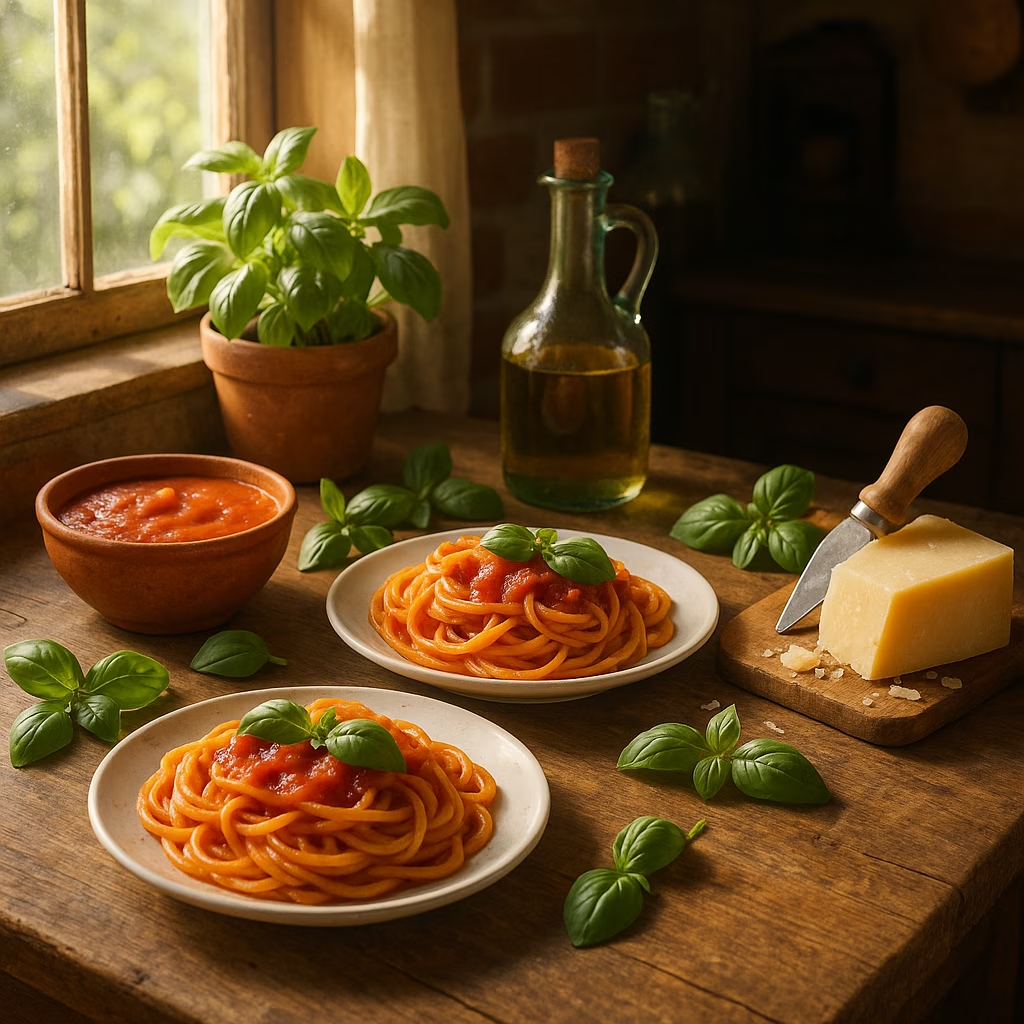 This tweak alone transformed the sauce from tomato-heavy to lobster-forward, proving that sometimes, more fat is just smarter science.
Steaming Smarts: The Shell Rack Hack
One eureka moment came when staring into the stockpot. With the low-volume liquid, the lobster shells poked above the surface like a natural archipelago. Why not use them as a makeshift steaming rack? Genius! By placing the claws and tails atop the shells and covering the pot, they steamed perfectly in their own juices, with any drips enriching the stock below. No need for separate equipment, and it ensured the meat stayed tender—cooked just enough to slide out of the shell easily but underdone so it finished perfectly in the pasta, avoiding any rubbery disasters. This efficiency trick shaved off prep time and captured every drop of flavor, making it ideal for 2025's fast-paced lifestyles. Here's a quick comparison of the benefits:
| Traditional Method | Shell Rack Method |
|---|---|
| Requires separate steamer | Uses existing pot setup |
| Risk of overcooking | Precise, tender results |
| Flavor loss to drips | Juices enrich the stock |
Balancing Act: Tomatoes, Heat, and Texture
A great fra diavolo walks a tightrope between bold and balanced. To avoid a soupy sauce, the author drained the canned tomatoes, reserving the liquid for other uses (like a bloody mary base, perhaps?), and crushed them by hand. This created a rich, tomatoey foundation without drowning the lobster. As for the heat, while "fra diavolo" translates to "brother devil," implying infernal spice, restraint is advised. After all, why let chile flakes overshadow the star? A generous pinch of red pepper flakes wakes up the tastebuds without launching a full-scale assault—think of it as a friendly nudge rather than a shove into the abyss. And for that final flourish, gremolata breadcrumbs add a zesty crunch. Borrowed from a clever bean stew recipe, these involve toasting panko with olive oil, parsley, and lemon zest, creating a bright, citrusy contrast that elevates the dish from good to unforgettable. 🍋
Recipe: Lobster Fra Diavolo Perfection
Here's the streamlined, home-friendly version that's taken 2025 by storm. Prep and cook times are optimized for busy lives, and components can be made ahead for stress-free entertaining. Serves 6 hungry souls.
Ingredients:
-
For the Gremolata Breadcrumbs:
-
2 tbsp (30 ml) extra-virgin olive oil
-
1/2 cup (35 g) panko breadcrumbs
-
1/4 cup (15 g) chopped fresh parsley
-
Finely grated zest from one lemon
-
Pinch of salt
-
For the Lobster Fra Diavolo:
-
Three 1 1/4-pound (565 g) live lobsters
-
1 1/4 cups (295 ml) extra-virgin olive oil, divided
-
3/4 cup (175 ml) dry white wine
-
6 medium cloves garlic, minced
-
Generous pinch red pepper flakes
-
1/4 cup (65 g) tomato paste
-
One 28-ounce (790g) can whole peeled tomatoes, juices reserved, tomatoes crushed
-
1 tsp dried oregano
-
Kosher salt to taste
-
1 1/2 pounds (680 g) spaghetti
-
3 tbsp (45 g) unsalted butter
Steps:
-
Make the breadcrumbs: In a skillet, heat oil and breadcrumbs over medium-low until golden (5-7 min). Add parsley, lemon zest, and salt; cook until fragrant (30-60 sec). Set aside.
-
Prepare lobsters: Break down into bodies, claws, and tails. Use bodies for stock.
-
Create stock: In a large pot, sauté lobster bodies in 1 cup oil over medium heat. Add wine and simmer to reduce. Cover shells with minimal water; use as a rack to steam claws (5 min), then tails (4 min). Remove meat and set aside; strain stock.
-
Build sauce: In the same pot, heat remaining oil. Sauté garlic and pepper flakes until fragrant. Stir in tomato paste, then add crushed tomatoes, oregano, and lobster stock. Simmer until thickened (15-20 min).
-
Cook pasta: Boil spaghetti until al dente. Reserve some pasta water.
-
Combine: Toss pasta with sauce, butter, and lobster meat. Cook briefly to warm through. Serve topped with breadcrumbs.
Timing Tips (2025 Edition):
-
Prep: 20 mins
-
Cook: 105 mins
-
Total: 2 hrs 5 mins
-
Make ahead: Stock and par-cooked lobster can be refrigerated for up to 1 day.
In the end, this recipe isn't just a meal; it's a triumph of culinary ingenuity. By ditching complexity and embracing smart hacks, it delivers lobster fra diavolo that's bold, balanced, and blissfully un-rubbery. So go ahead, channel your inner devil—but with a touch of angelic restraint. After all, in 2025, we know that the best dishes are those that let the star ingredient shine, not hide in the shadows. 😈🌟