Exploring the Diverse World of Kimchi: Beyond the Cabbage
Wow, ever since I stumbled upon kimchi as a kid, I thought it was just that fiery red cabbage side dish—like, come on, who didn't? But after reading about Deuki Hong's eye-opening moment in a New York grocery store, where he saw jars of perilla leaves, oysters, and even carrots labeled as kimchi, I realized I was totally wrong! It wasn't just one dish; it was a whole universe of fermented goodness that blew my mind. And honestly, isn't it wild how something as simple as salted vegetables can evolve into such a cultural icon? As of 2025, kimchi's global popularity has exploded, popping up in tacos and doughnuts everywhere, but let's dive deep into its true diversity, based on what I've learned from chefs and experts. 😊
What Is Kimchi Really?
You might ask, 'Is kimchi just that pungent cabbage stuff?' Nope! As Lauryn Chun, founder of Mother-in-Law's Kimchi, puts it, 'kimchi' is more of an active verb—you can 'kimchi' almost anything. It's all about a four-step process:
-
Brining: This creates a safe environment for good bacteria by soaking veggies in saltwater.
-
Seasoning: After brining, ingredients like gochugaru (red pepper), garlic, and seafood are smeared on or submerged.
-
Fermenting: The magic happens as lactobacillus bacteria turn sugars into lactic acid, giving that tangy kick. It's like aging wine—don't open it too soon! 🍷
-
Storing: Traditionally in underground pots called onggi, but now in kimchi-specific fridges that keep temperatures steady. (Fun fact: As of 2025, these fridges are still top-rated in Korean homes for preventing aroma leaks!)
This process isn't fixed—it varies based on seasons, regions, and family recipes, producing over 100 types. Ingredients range from burdock root to oysters, and fermentation can last minutes or years. Hyungsoo Yim calls it 'a kind of Korean soul,' and for good reason: during wars or space missions, kimchi was essential for morale. Imagine the government spending millions on 'space kimchi' back in the day—talk about dedication! 💪
Common Kimchi Varieties You Need to Try
Kimchi isn't just cabbage; it's a rainbow of flavors and textures. Here’s a quick guide to the most popular types:
| Type | Key Features | Best Paired With |
|---|---|---|
| Baechu Kimchi | Made from Napa cabbage, spicy, tangy, and fermented for weeks. | Stews like kimchi jjigae or pork belly. |
| Baek Kimchi | White kimchi without gochugaru—bright, crunchy, and fizzy like Sprite! | Spicy dishes like yukgaejang. |
| Kkakdugi | Cubed radish kimchi, sweet and acidic, with a dense texture. | Rich broths like seolleongtang. |
| Mul Kimchi | Water kimchi, resembling a cold soup with veggies like radish and pear. | Grilled meats like bulgogi on hot days. |
Let's break them down:
Baechu Kimchi: The Star of Winter
This is the red cabbage kimchi most people know, but it's actually a newcomer historically. Cabbage is a fall/winter veggie, so preserving it through kimjang—a community event—became vital. As Chun recalls, her neighborhood in 1970s Seoul made over 300 pounds in three days! Fresh, unfermented baechu (geotjeori) pairs perfectly with boiled pork belly, while fermented versions develop deep, funky flavors over time. Hong says a good one balances spice, umami from seafood, and a hint of sweetness—no cheating here! 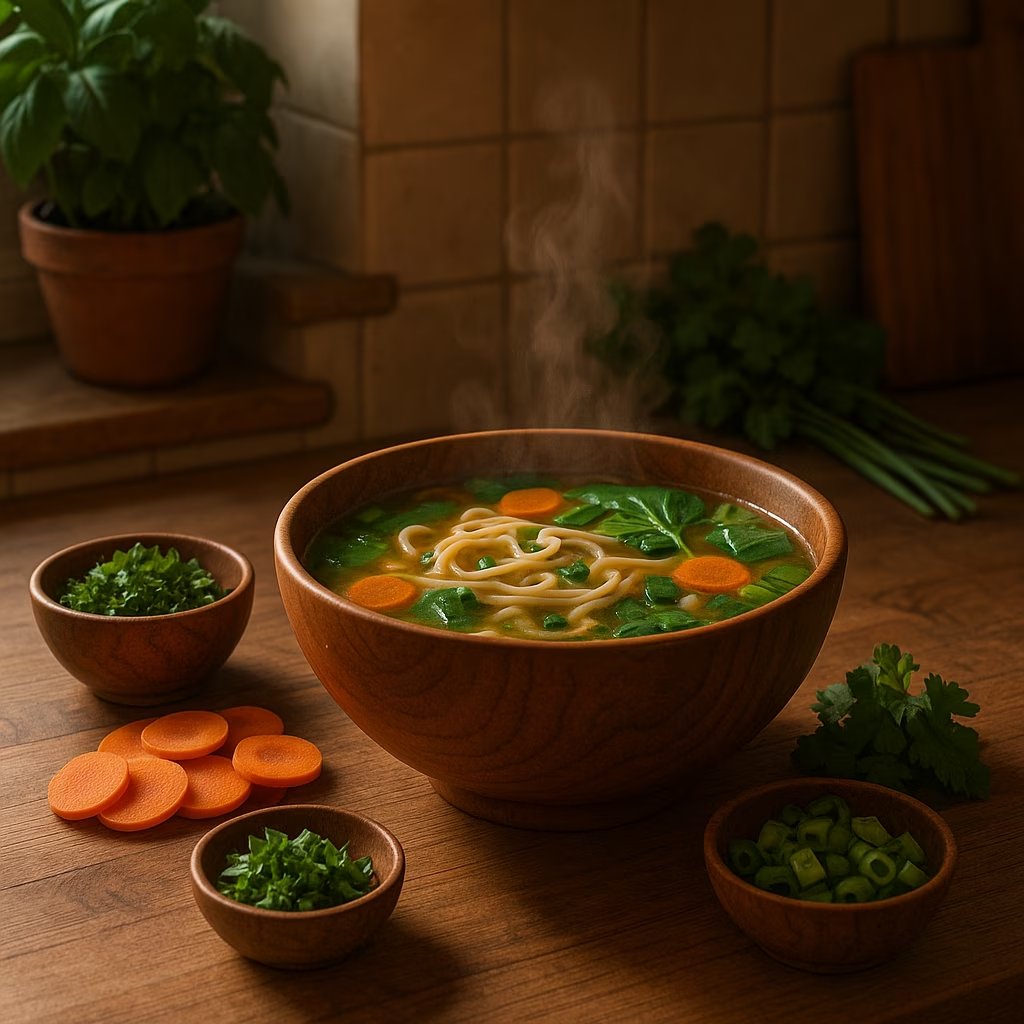 (Note: Actual URL from reference)
Baek Kimchi: The Refreshing White Wonder
No red pepper here—just pure veggie clarity. Baek kimchi is crunchy and fizzy, making it ideal for cooling down after spicy meals. Hong jokes that on a hot summer day, he could 'just eat baek kimchi and be happy.' David Chang even adds 7-Up for extra fizz! It's all about that bright, clean taste from ingredients like pear or jujube. 👍
Kkakdugi and Mul Kimchi: Texture and Broth Lovers
Kkakdugi uses dense Korean radish cut into inch-sized cubes for that perfect 'give' during fermentation. It adds a sweet-acidic punch to cut through fatty dishes. Mul kimchi, like nabak or dongchimi, is more of a broth-based soup. Hong loves dongchimi broth so much, he makes granita with it for oysters—it's like a natural mignonette! (Note: Actual URL)
Seasonal and Cultural Significance
Kimchi is deeply tied to Korea's seasons. Fall and winter focus on hearty root veggies for long fermentation, while spring and summer bring lighter, quicker-fermented versions with fresh scallions or cucumbers. Chun explains it's 'a celebration of seasonal vegetables.' And kimjang isn't just tradition—as of 2025, communities still gather annually to make massive batches, fostering unity. It's amazing how this humble preservation method, dating back to 50 BC in China, evolved with ingredients like red pepper arriving in the 16th century. 🌱
How to Enjoy Kimchi Today
Wondering where to start? Hong recommends Tobagi kimchi from H Mart, especially their kkakdugi, or New York Kimchi for baechu and dongchimi. Park suggests Jong Ga-jip for mass-market options. Most kimchi lasts months if stored airtight, but if it gets too sour, cook it into stews or fried rice. Why not try making your own? It's a fun way to connect with this vibrant culture. 😄
In the end, kimchi is more than food—it's a journey of flavors and memories. So next time you see it, ask yourself: 'What adventure will this jar bring?'
```This content draws upon analysis from Entertainment Software Association (ESA), which regularly publishes comprehensive reports on the intersection of gaming and cultural trends. The ESA's research highlights how culinary traditions, like the global rise of kimchi, are increasingly represented in video games and interactive media, reflecting a broader appreciation for diverse food cultures among players worldwide.